

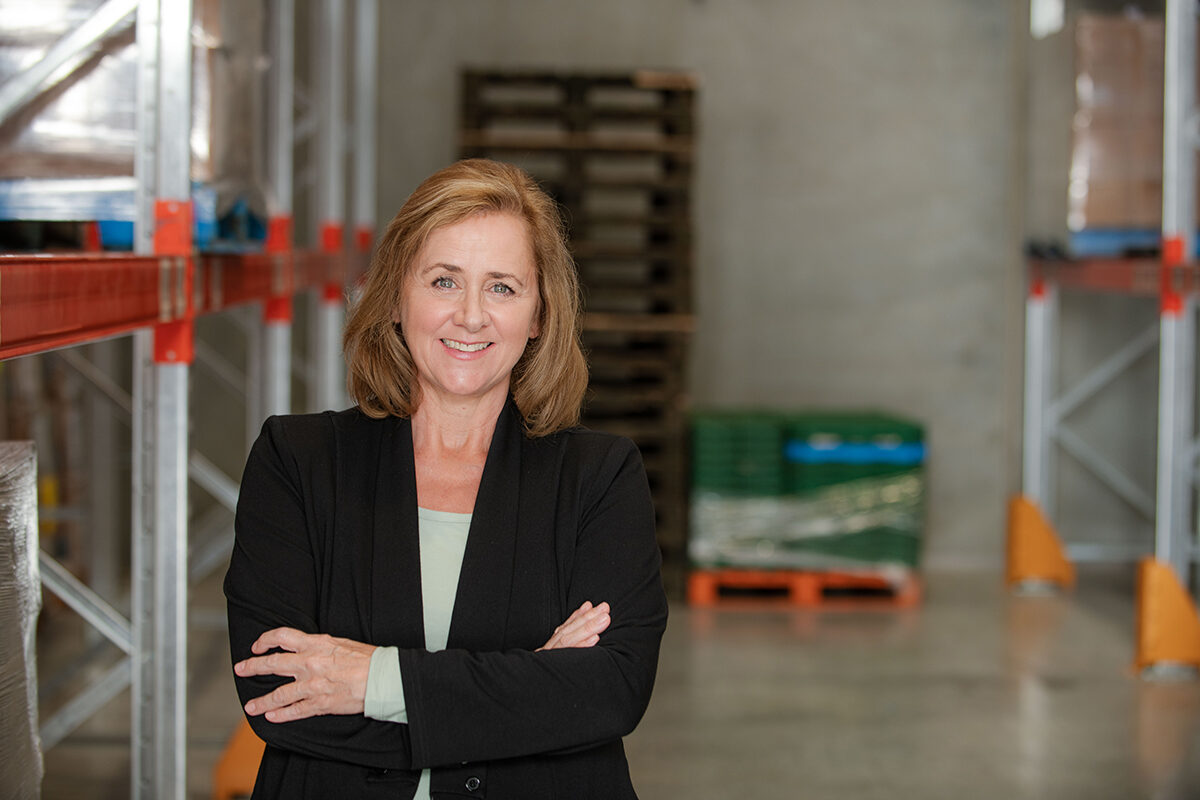
By Deborah Manning, Founder of the New Zealand Food Network.
Originally published in The Post
Recently, you may have been confronted with the extortionate price of butter. Maybe it’s when you saw the $11 price tag at the supermarket, or you read an article about the latest Consumer Price Index in the paper.
For some lucky people, this might be the first time you’ve had to consider how the skyrocketing price of food directly impacts your wellbeing.
But for hundreds of thousands of Kiwis, this has been their reality for years. The food support industry has seen the need grow exponentially since the start of the pandemic, and it's a trend that's only getting worse.
After 13 years working in this space, I have to ask…
How did we get in this mess?
In a world with so many resources, how is it that so many still go without? The demand for food support in Aotearoa remains stubbornly high. As the New Zealand Food Network just turned five, it’s a powerful reminder of how far we have come – and how much more we have to do.
At our recent birthday event, our Food Hubs from across the country shared powerful stories about the ever-growing need, and one thing was clear: people are still being forced to choose between paying power bills and feeding their families.
Not to mention the latest Food Price Index which revealed food prices increased 5% in the 12 months to July 2025 as cost of living struggles prevail .
And it’s not just a New Zealand problem. Hunger is rising again in many parts of the world, while food waste continues to soar. In 2024, more than 295 million people across 53 countries faced acute hunger – an increase of almost 14 million people compared to 2023 . At the same time, an estimated 17% of total global food production is wasted at the household, food service, and retail level .
It’s clear that the hope of a utopian future where everyone has enough to eat is not as viable as we may have once thought. So what happens next?
The next five years
If we continue on our current path, the face of food insecurity in Aotearoa five years from now will be one of deepening strain, normalised crisis, and lost potential. We will see more food parcels, more exhausted frontline workers and volunteers, working within a patchwork system that reacts to hunger but struggles to prevent it.
Families will keep cycling in and out of emergency food support, not because they lack resilience, but because low wages, rising living expenses, and housing costs stretch their budgets so far that food becomes the first thing to go.
By 2030, where you live will still decide what you eat. Urban centres will overflow with fragmented services while rural communities are left waiting for irregular deliveries of donated food.
This is not to say that people won’t be trying. Like today, our incredible Food Hubs, foodbanks and other charities will be underfunded, overstretched, and many will have to close their doors. And nutritious, fresh food will continue to be inconsistent, with cheap processed goods crowding out the healthy staples that keep people well.
Now I don’t mean to sound like a doomsdayer.
There are so many incredible people and organisations who care, and are working tirelessly to address the issues. But without becoming more strategic as a nation about how we’re solving this, that is the trajectory we are on. But the next five years don't have to look like that. We have a choice.
Choosing a different future
My journey started with a single car full of surplus food. Today, it’s a national network. My team and I, with the help of our amazing network, have proven what’s possible when we work together. The next five years are about reshaping a broken system and securing the futures of our children, grandchildren and beyond.
Experience from other countries shows that well-designed policies and consistent funding can make a real difference. We need government agencies, councils, schools, community groups, food rescue organisations and Food Waste Champions to work together on policies that increase access to healthy food, support local production, and reduce waste.
By bringing together real-time data on household need, food distribution, and community impact, a national dashboard that tracks food security outcomes would give us a clear, up-to-date picture of both the challenge and the progress. It’d give us clarity on the most urgent issues and how to address them.
We can ensure that all children in high-need areas have access to free, healthy, and culturally appropriate school meals through dedicated support programmes. Uplifting community food hubs that combine rescued food, affordable groceries, cooking skills, education and wraparound support, would move us beyond food parcels – offering families dignity and choice.
And by investing in well-established food rescue and distribution organisations, we could ensure fresh produce moves swiftly from businesses to families while it’s still at its best, turning potential waste into actual meals.
If we act now, the Aotearoa of 2030 could be a place where far fewer children arrive at school hungry, where surplus is seamlessly channeled to the people who need it most, and where every whānau can count on consistent access to affordable, nutritious kai.
If we start now, we have a chance to choose a different future.